Widespread Northeast Ohio outages persist as strong winds return Sunday, slowing restoration and complicating travel
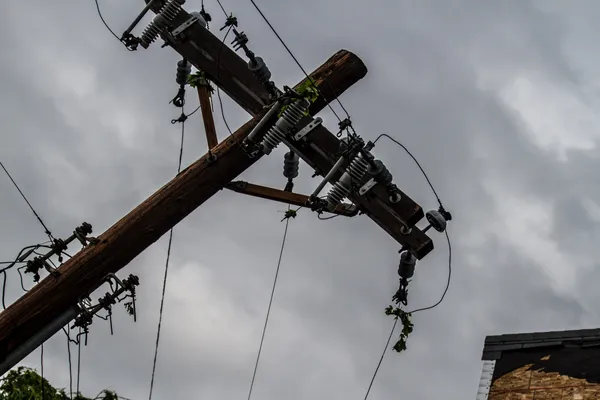
Power restoration continues as another round of wind moves in
Tens of thousands of customers across Northeast Ohio remained without electricity into Sunday as utility crews worked to repair damage from a powerful wind event that downed trees and power lines and disrupted service across the region. Conditions were expected to stay challenging as gusty winds returned Sunday, a factor that can affect both the pace and the safety of restoration work.
Across the broader Great Lakes region, the wind-driven system caused widespread outages and damage over the weekend. In Northeast Ohio, wind speeds were strong enough to produce significant infrastructure impacts, including snapped limbs and fallen trees that pulled down distribution lines and damaged poles.
What’s driving the outages, and why restoration can slow in high wind
Wind-related outages typically cluster around three immediate causes: contact from falling trees and limbs, broken poles, and damage to overhead lines and related equipment. Restoration work frequently requires bucket trucks and line crews operating near energized equipment, and sustained high winds can limit when those operations can be performed safely.
Airport observations underscored the intensity of the event: a peak gust of 85 mph was recorded Friday at Cleveland Burke Lakefront Airport, a level capable of causing extensive tree and utility-line damage.
Monitoring outages and anticipating a staggered restoration
Outage totals fluctuate as utilities isolate damaged circuits, restore service to intact sections, and then rebuild more heavily damaged segments. Customers can see their neighborhoods restored at different times depending on how extensive the local damage is and whether repairs require replacement of poles, crossarms, transformers, or conductors.
Repairs are often prioritized to restore the largest number of customers first, then address smaller pockets of damage.
Some multi-day outages occur when damage affects feeder lines or substations, or when access is limited by debris and downed trees.
Restoration estimates may change as crews assess damage more fully and as new trouble spots develop in renewed wind.
Reliability standards debate adds context as outages persist
The latest outage wave arrives as state regulators consider a request by FirstEnergy to adjust how reliability performance is measured for several Ohio utilities, including Cleveland Electric Illuminating Co. The issue has drawn formal objections from cities including Cleveland and Lakewood and has prompted debate among lawmakers and consumer advocates about whether standards should be tightened or relaxed amid aging infrastructure and more frequent severe weather impacts.
Extended outages can have outsized consequences for medically vulnerable residents and for households facing cold nights, spoiled food, and disrupted building services.
What to watch next
Forecasters warned that the same storm pattern driving wind and snow in parts of the central U.S. was expected to shift east, keeping much of the region in an active, fast-changing setup. For Northeast Ohio, that means restoration progress will depend not only on repairs already underway, but also on whether Sunday’s renewed wind causes additional tree and line damage.
Residents are urged to treat downed wires as energized, avoid storm debris near lines, and use generators outdoors and away from windows to reduce carbon monoxide risks.