Western Reserve Distillers’ Lakewood operation highlights Ohio organic spirits, tours and a full portfolio approach
A Lakewood distillery built around organic certification and a broad spirits lineup
Western Reserve Distillers operates in Lakewood, just west of downtown Cleveland, positioning itself around a central distinction in the state’s spirits landscape: it describes itself as Ohio’s first and only USDA-certified organic craft distillery. The company was started in 2014 by Kevin and Ann Thomas and later established production in Lakewood as part of a grain-to-glass model focused on small-batch spirits.
The distillery’s business model emphasizes a wide product mix rather than specializing in a single category. Western Reserve Distillers has produced vodka and gin and has developed additional offerings that include rum, bourbon, whiskey and agave-based spirits. Its public-facing message consistently ties that breadth to a controlled ingredient supply chain and an on-site visitor experience.
Ingredients and sourcing: local grains, out-of-state sugar and imported agave
For vodka, gin and some bourbon and whiskey production, the distillery states it uses organic grains sourced from Ohio farms within roughly 150 miles of Lakewood, including grain from Twin Parks Organic Farm (about 75 miles away). For rum, it reports using organic dark molasses sourced from Louisiana. For its agave spirits, it states it uses organic Blue Weber agave from Jalisco, Mexico.
That sourcing mix reflects a practical constraint: certain inputs central to specific spirit styles are not available locally at scale, even as the distillery’s core identity is tied to regional grain procurement.
Production and transparency: a young distillery balancing aging realities
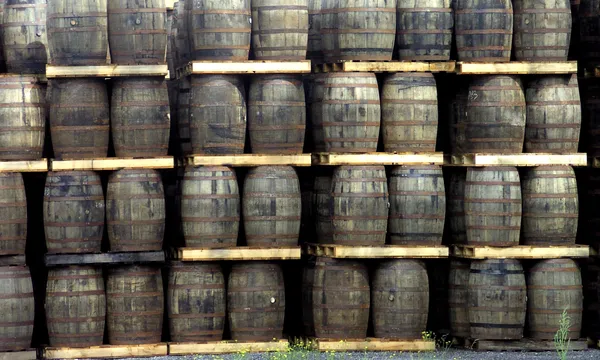
In American whiskey, aging time is often a key determinant of availability and pricing. Western Reserve Distillers has acknowledged that, as a relatively young operation, some bourbon offerings have been sourced and matured outside Ohio, including bourbons distilled and aged in Kentucky. In product descriptions, the distillery distinguishes between spirits it distills from local organic grain and certain bourbons it brings in to meet market demand for longer-aged profiles while its own inventory matures.
Western Reserve Distillers has framed its approach as “organic” and “handcrafted,” while also separating in-house distillation from select sourced whiskey releases.
Visitor experience: tours, tastings and an on-site dining component
Western Reserve Distillers is part of a Lakewood destination that includes a bar-and-restaurant component operating in the same renovated building. The distillery has offered a tasting room and scheduled tours on select days, with tasting formats that typically include multiple spirits from its portfolio.
This integrated model—manufacturing paired with hospitality—has become increasingly common among regional distilleries, supporting direct-to-consumer engagement, controlled brand education and on-premise sampling that can introduce customers to categories beyond standard retail shelf staples.
What it signals for Northeast Ohio’s spirits market
Organic certification is being used as a primary differentiator in a crowded craft beverage environment.
A broad portfolio strategy can reduce dependence on a single category, but it adds complexity in sourcing, production scheduling and maturation timelines.
On-site dining and tours create an additional revenue stream and can deepen consumer familiarity with a producer’s process and products.
In a region where craft beer has long dominated the local beverage narrative, Western Reserve Distillers’ Lakewood operation underscores a parallel shift: spirits producers are increasingly building brands through verified production claims, controlled ingredients and destination-style hospitality.