Tenants at Cleveland’s Park 85 Apartments Report Extended Loss of Heat, Hot Water, and Electricity
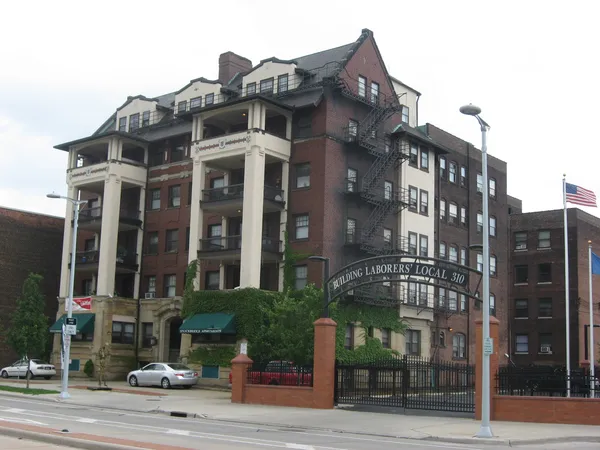
Residents describe basic-utility failures in an East Side apartment complex
Tenants at Park 85 Apartments, a multi-unit residential property in Cleveland’s Hough area, report periods without essential services including heat, hot water and electricity. Park 85 Apartments is listed at 1309 E. 85th St. in Cleveland’s 44106 ZIP code, near Superior Avenue and the University Circle area.
The reports come as winter conditions heighten the health and safety risks associated with indoor temperature loss and interrupted hot-water service. For many residents, the outages have also meant disrupted daily routines such as bathing, cooking, charging phones, and maintaining lighting inside units and common areas.
What Cleveland law requires for heat and habitability
Cleveland’s housing and health codes set baseline standards for rental habitability. City ordinance requires that every dwelling unit have heating facilities capable of maintaining an average temperature of 70 degrees Fahrenheit in habitable rooms, bathrooms and water-closet compartments when the outdoor temperature is minus five degrees Fahrenheit, without forcing the equipment to operate beyond design capacity.
Separately, when a landlord has agreed to provide heat, the city code requires heat adequate to maintain at least 70 degrees Fahrenheit inside when the outside temperature falls below 50 degrees Fahrenheit. These requirements are commonly used by inspectors to evaluate whether a property meets minimum standards during cold-weather periods.
How complaints are handled and what enforcement tools exist
Residents seeking city intervention can file building and housing service requests through Cleveland’s 311 system for conditions such as “No Heat” and “No Water / No Hot Water,” as well as broader rental complaints. Those requests can trigger inspections intended to determine whether violations exist and what corrective actions are required.
In parallel, Cleveland’s “Residents First” rental framework requires owners of non-owner-occupied residential properties to register units with the city. For buildings with four or more units, the registration rules include additional documentation, including an annual HVAC inspection certification and proof that any owner-paid utilities are current. The city also identifies civil enforcement mechanisms for noncompliance tied to registration requirements and property management obligations.
Tenant remedies under Ohio law
Ohio law imposes duties on landlords to keep rental properties in a fit and habitable condition, comply with applicable codes, and keep electrical, plumbing, heating and ventilation equipment in working order. Landlords are also generally required to provide running water, hot water and heat unless those services are fully controlled by the tenant and supplied through a direct utility hookup.
When serious conditions persist after notice, Ohio’s rent-deposit process may be available in qualifying circumstances, allowing tenants to deposit rent with a court rather than paying the landlord directly while repairs are pursued. Tenants may also seek court orders compelling repairs, rent reductions in connection with a case, or other relief depending on facts and documentation.
What to watch next
- Whether the city records show recent inspections or active violations linked to heat, hot water, or electrical service at Park 85.
- Whether the property’s rental registration status is current and whether required HVAC certifications and utility documentation were filed for the most recent registration cycle.
- Whether tenants pursue rent deposit, emergency court relief, or lease termination based on the duration and severity of conditions.
Residents facing no-heat or no-hot-water conditions typically document outages in writing, keep copies of notices to management, and preserve photos and logs that help establish timelines for inspectors or courts.
Cleveland.news will continue reporting as additional verified details emerge about service restoration, inspection outcomes, and any formal enforcement actions.