Severe solar storm reaches G4 and S4 levels, raising northern lights chances across Ohio tonight
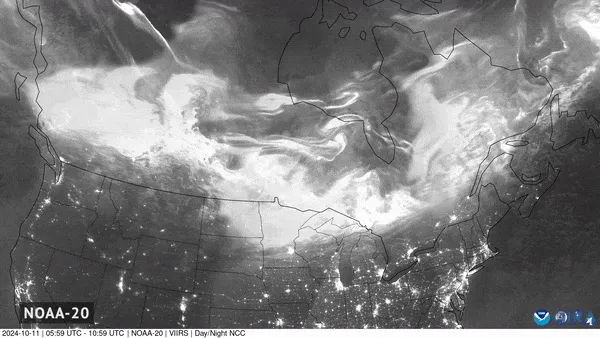
A significant space weather event is unfolding
Space weather monitors reported that severe geomagnetic storm conditions (G4 on the five-step geomagnetic scale) were reached on Monday, Jan. 19, 2026, after the arrival of a coronal mass ejection, or CME. A related watch for continued G4 conditions was also issued for the Jan. 20 UTC day, reflecting the expectation that enhanced geomagnetic activity could persist as CME effects continue.
In parallel, a severe solar radiation storm (S4 on the five-step radiation scale) was reported in progress on Jan. 19, 2026. Such radiation storms are uncommon and are tracked primarily for their potential impacts on aviation at high latitudes, satellites and some radio communications.
What it means for aurora visibility in Ohio
For Ohio skywatchers, the most relevant factor is the geomagnetic storm level. When geomagnetic activity intensifies, the auroral oval can expand southward, increasing the chance that the northern lights become visible at lower latitudes. A severe G4 storm substantially improves the odds of aurora visibility compared with typical conditions, though visibility remains dependent on local sky conditions and the storm’s timing relative to darkness.
Experimental aurora viewline guidance issued late Monday showed a forecast consistent with high geomagnetic activity for “tonight,” including a predicted Kp value in the upper range and a predicted geomagnetic level corresponding to G4. The same experimental guidance indicated markedly lower aurora potential for “tomorrow night,” underscoring how quickly conditions can change.
Why this storm is drawing attention
The radiation component of the event is notable. The S4 designation indicates a severe radiation storm, with stated potential impacts that include increased radiation exposure risk for astronauts and flights on polar routes, heightened risk to satellites (particularly in geostationary orbit), and the possibility of high-frequency communication loss in polar regions.
Geomagnetic storms also have a practical footprint on Earth. When conditions intensify, space weather can affect spacecraft operations and disrupt radio signals that travel through or reflect off the ionosphere. Power grid operators also monitor these events because rapid geomagnetic variations can induce currents in long conductors.
How to watch from Ohio (and what to expect)
Look north: When aurora reaches Ohio, it may appear low on the northern horizon rather than overhead.
Get away from city lights: Darker locations improve the likelihood of seeing faint auroral structure and color.
Use a camera if possible: Phones and cameras can register auroral colors more readily than the naked eye during marginal displays.
Space weather intensity can shift rapidly within hours. Forecasts reflect probabilities, not guarantees, and local cloud cover can be the deciding factor.