Northeast Ohio produce prescription pilot delivered $100 market coupons to Medicaid patients, raising sustainability questions
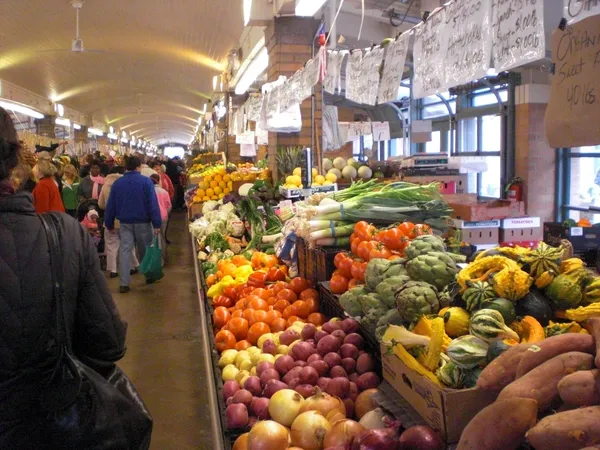
A short-term “food as medicine” experiment across multiple health systems
A six-week produce prescription pilot in Northeast Ohio provided eligible patients with $100 in coupons redeemable for fruits and vegetables at participating farmers markets, testing whether lowering enrollment barriers could expand access to healthier food among residents most likely to face food insecurity.
The initiative enrolled 431 adults across Cleveland, Akron and other communities. Eligibility was tied to insurance status rather than a specific diagnosis: participants qualified if they were uninsured or enrolled in Medicare or Medicaid without supplemental private coverage. Organizers designed enrollment to fit into routine clinic visits, using in-clinic information booths where patients could sign up before or after appointments and receive coupon booklets along with basic program materials.
Where coupons could be used, and who participated
Coupons were accepted at a network of farmers markets in the region through June 30, 2025, including several Cleveland-area sites such as Coit Road Farmers Market and multiple North Union Farmers Market locations, alongside markets in communities including Kent, Barberton and Peninsula.
Demographically, most participants were Black or African-American, and about 70% were covered by Medicaid. Program leaders described the approach as a way to reach patients already concentrated in clinics serving high volumes of publicly insured residents, while avoiding added clinical requirements that can slow enrollment and increase staff workload.
Redemption patterns and measured outcomes
During the pilot window, a little over half of participants redeemed at least $10 of their $100 allotment at a farmers market. About one-third visited two different markets. Total spending during the program period was about $17,800, providing a direct revenue boost to participating vendors and markets.
Participants reported eating more fruits and vegetables. However, the pilot did not measure clinical health outcomes, citing time constraints typical of short-duration programs. Individual patient experiences varied, with at least one participant describing improved blood sugar levels and increased confidence in preparing produce after receiving vendor tips and shopping regularly with family.
Why scaling up remains difficult: supply, staffing, and stable funding
Organizers and partners identified two persistent barriers to turning pilots into permanent benefits. First is local supply capacity: farmers and market systems may not be positioned to meet larger, consistent demand if prescriptions expand broadly, especially when sourcing must be coordinated across multiple growers.
Second is funding structure. The pilot relied on time-limited public funding that had to be deployed quickly, and it ended on a fixed date. For patients, abrupt program endings can mean losing a resource without clear continuity planning. Longer-term proposals include developing a standing infrastructure that makes prescribing and redemption routine, and exploring pathways for health coverage to support produce benefits more consistently.
Program duration: about six weeks, ending June 30, 2025.
Participants reached: 431 adults.
Benefit level: $100 in produce coupons per participant.
Total redemption spending: about $17,800.
The pilot’s central finding was logistical rather than medical: a multi-system, low-barrier model can enroll publicly insured patients quickly, but sustaining it requires durable financing and a food supply chain built for scale.