National Weather Service expands snow squall warnings in Northeast Ohio as rapid whiteouts threaten travel
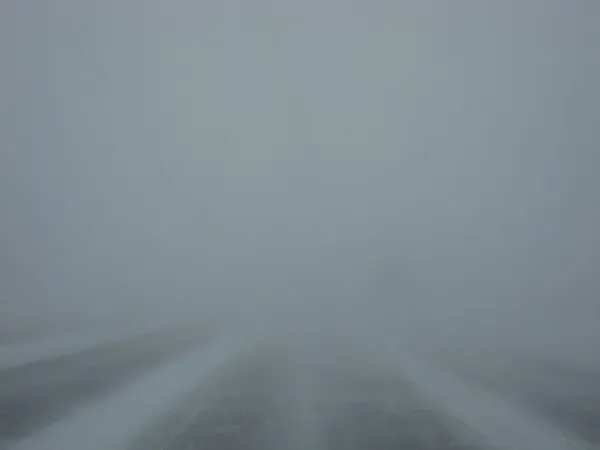
Short-fuse warnings issued as conditions deteriorate quickly
The National Weather Service issued additional snow squall warnings for parts of Northeast Ohio as bursts of heavy snow and gusty winds repeatedly reduced visibility to near zero and created sudden, hazardous driving conditions. The warnings targeted narrow, fast-moving corridors where the combination of intense snowfall and strong wind can turn routine travel into a high-risk situation within minutes.
Snow squall warnings are designed for brief but dangerous events, typically lasting less than an hour in a given location. They are used when rapid drops in visibility and flash-freezing conditions are expected to make roads especially treacherous, even if overall snow totals are not high compared with longer-duration winter storms.
What makes a snow squall different from steady snow
Unlike a multi-hour winter storm, a snow squall is a concentrated, high-intensity burst of snow that can arrive abruptly. These squalls frequently form along an arctic cold front or in narrow lake-enhanced bands near the Great Lakes. A key hazard is the speed of change: drivers may move from clear pavement into a whiteout in seconds, with blowing snow obscuring lane markings and other vehicles.
Snow squall warnings are issued for short-duration events when whiteout conditions and rapid roadway impacts are expected.
Impacts observed across the region
In Northeast Ohio, squall conditions swept into the Cleveland metro area and continued eastward, affecting travel during a period of broader winter weather across the Midwest and Northeast. The weather pattern included sharply colder air and wind capable of producing blowing snow, with localized bursts causing rapid accumulation on roadways.
Because the warning areas are often small and time-limited, some drivers encounter the most severe conditions with little visual lead time. Public safety impacts tend to concentrate on major highways and exposed stretches of roadway where crosswinds can sharply reduce visibility.
What drivers can do during a snow squall warning
Reduce speed immediately and increase following distance; sudden braking can trigger chain-reaction crashes.
Avoid passing snowplows and give road crews space to operate.
If visibility collapses, stay in your lane and use low-beam headlights; avoid stopping in travel lanes.
Forecasters emphasized that snow squalls are primarily a travel hazard: brief, localized bursts that can produce life-threatening driving conditions out of proportion to their duration. Additional warnings may be issued when new squall lines develop and move rapidly across Northeast Ohio.