Long security lines at Cleveland Hopkins Airport spotlight shutdown-driven strain during peak spring travel season
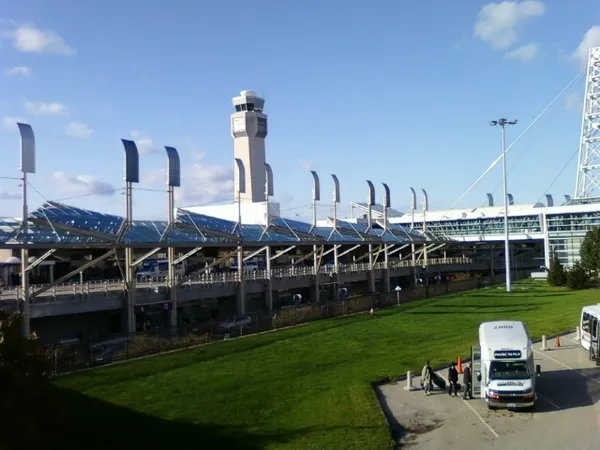
What travelers are seeing at Cleveland Hopkins
Long lines at Cleveland Hopkins International Airport have become an immediate concern for passengers as spring travel demand rises and federal staffing pressures ripple through airport security operations nationwide. Travelers at Cleveland Hopkins in mid-March described monitoring wait times before leaving for the airport and adjusting their plans around the possibility of delays at the Transportation Security Administration (TSA) checkpoint.
Airport conditions can change quickly by hour, and line length does not always translate directly into the same wait time. Still, the re-emergence of visibly extended queues has put a spotlight on how quickly routine screening operations can be strained during high-volume periods.
The national backdrop: staffing stress during a funding lapse
The pressure on security screening is tied to a broader national disruption affecting TSA operations. A partial federal government shutdown has forced many federal workers in affected agencies to work without full pay, a situation that has been associated with increased absenteeism and resignations in some locations. Across the country, airports have reported longer waits at checkpoints as staffing becomes less predictable, particularly during the spring break travel surge.
In response to the financial strain on federal employees, Cleveland Hopkins has taken steps aimed at supporting airport-based federal partners by reopening a food pantry and soliciting donations during the shutdown period. Similar assistance efforts have been observed at other airports nationally as communities and institutions try to reduce immediate hardship for affected workers.
Airport measures and recent facility changes
Cleveland Hopkins has also been rolling out operational updates that can affect screening flow. In early March, the airport announced that travelers enrolled in TSA PreCheck could use a touchless identification option at Cleveland Hopkins, designed to streamline the identity verification step for eligible passengers.
Separately, the airport has been engaged in a multi-phase effort to improve checkpoint capacity and queuing space. A central checkpoint expansion project launched in 2025 was designed to add screening lanes and increase space for lines, with completion targeted for early 2026. Those infrastructure changes are intended to reduce pinch points when passenger volume spikes, though staffing and demand remain decisive factors in how fast travelers move through screening.
What this means for passengers
For travelers, the practical impact is straightforward: longer or less predictable processing times can raise the risk of missed flights, especially for early-morning departures and tightly scheduled itineraries. Airlines and airports generally advise passengers to build additional time into their arrival plans during peak travel periods, including spring break weekends and holiday-heavy days.
- Wait times can vary significantly by time of day and airline schedule banks.
- Enrollment-based screening programs may reduce time at the checkpoint for eligible travelers, but capacity still depends on staffing and throughput.
- Passengers checking bags should account for additional time beyond the security line.
Extended lines at security checkpoints are not only a local inconvenience; they reflect a broader interplay of staffing, federal funding, and seasonal travel volume.
Cleveland Hopkins’ recent lines illustrate how national policy disruptions and peak-season travel can converge quickly at a single chokepoint in the passenger journey: the security checkpoint.