Joseph & Mary’s Home in Cleveland bridges hospital discharge and recovery for homeless adults
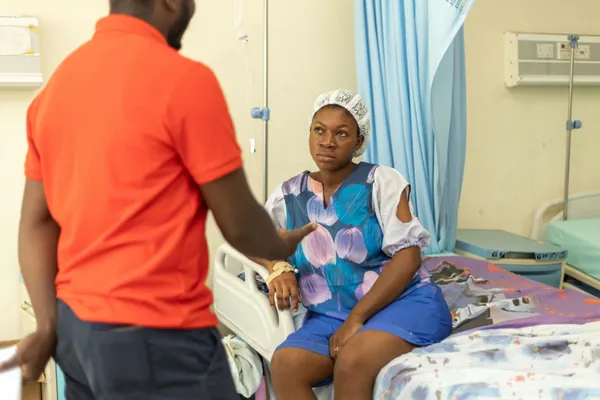
A medical respite model designed for patients too sick for the streets, but not sick enough for a hospital bed
In Cleveland, Joseph & Mary’s Home operates as a medical respite program for adults experiencing homelessness who are ready to leave the hospital but cannot safely recuperate in a shelter or outdoors. The program is designed to close a common gap in health care: discharge plans that assume stable housing and a safe place to rest, manage medications and attend follow-up care.
The organization is a ministry of the Sisters of Charity Health System and has operated since 2000. It runs two facilities totaling 21 recuperative beds: a 10-bed program for women and an 11-bed program for men, with year-round staffing and private rooms. The average stay is typically about two to three months, reflecting the time required for wound care, post-surgical recovery, stabilization of chronic disease and arranging longer-term housing options.
Who qualifies, and what care looks like day to day
Joseph & Mary’s Home accepts adult referrals from health care and community partners for patients with acute or temporarily destabilized medical needs. Typical reasons for admission include recovery after surgery or fractures, stabilization of conditions such as diabetes or high blood pressure, support following chemotherapy or radiation, and medication management for chronic illness.
Admission standards are structured to match the program’s level of care. Residents must be verified as homeless through Cuyahoga County’s centralized coordinated intake process, must have an identified medical need requiring stabilization, and must be able to perform activities of daily living independently. People needing continuous hospital-level monitoring are not appropriate for respite care.
Setting: private rooms in a non-hospital environment intended for recuperation and routine medical supervision.
Core supports: medication management, meals, transportation to appointments and coordination with local providers.
Planning beyond discharge: intensive case management aimed at securing longer-term housing and benefits.
Housing outcomes and constraints in a tight market
The program’s operational goal is to stabilize health while moving residents toward housing. Program leaders have said the search for accessible, affordable permanent housing is a persistent challenge, particularly for people with disabilities or complex medical histories. Still, the organization has reported that most residents transition to permanent housing upon leaving the program, and the home maintains an alumni follow-up structure that includes continued contact after discharge.
Facilities investment and public support
In recent years, a renovation project at 2302 Community College Avenue has aimed to improve the men’s medical respite space by replacing an aging structure with a more accessible, non-congregate environment. Public records list city and county funding as part of the project financing, alongside other sources typically used in medical respite operations, including grants, foundations, religious support and private donations.
Medical respite programs are built to reduce preventable setbacks after discharge by pairing recuperation with structured connections to care and housing.
In a health system where recovery often depends on a stable address, Joseph & Mary’s Home functions as an intermediate step—providing time, supervision and coordination that many homeless patients do not otherwise have after hospitalization.