Four new roundabouts are planned in Greater Cleveland under Ohio’s latest state-funded road safety program
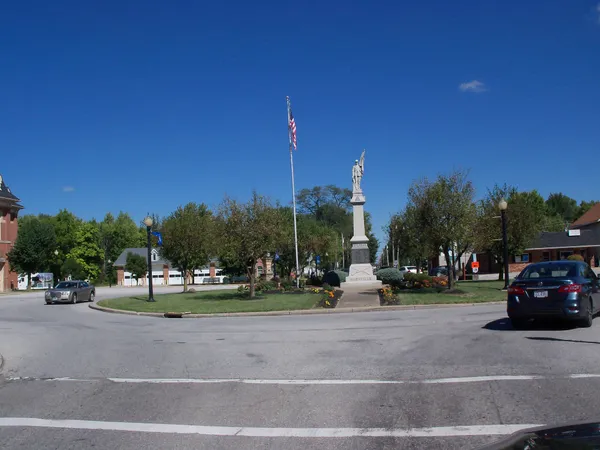
State funding targets crash reduction projects across Northeast Ohio
Four roundabouts in Greater Cleveland are among a new group of roadway safety projects selected for state funding as Ohio expands its Highway Safety Improvement Program investments. The statewide package totals $97.2 million for 39 projects in 27 counties, with funding scheduled across state fiscal years 2026 through 2031.
The funded work spans multiple proven countermeasures: roundabouts, intersection and turn-lane reconfigurations, upgraded signs and pavement markings, and targeted improvements for people walking and biking, including high-visibility crosswalks, sidewalks and bike lanes. The program is designed to direct money to locations with a documented history of fatal or injury crashes where previous measures did not sufficiently reduce risk.
Why roundabouts are being emphasized
Roundabouts are increasingly selected in safety programs because they are engineered to reduce the most severe crash types by lowering speeds and eliminating many head-on and high-speed angle conflicts common at signalized or stop-controlled intersections. In practice, roundabouts also change driver decision-making: rather than accelerating to “beat the light,” drivers must slow, yield, and navigate a controlled circular movement.
In Northeast Ohio, interest in roundabouts has also grown as communities balance safety goals with congestion management and redevelopment planning. Roundabouts can improve traffic flow during off-peak periods and reduce delay caused by signal timing, while requiring careful design to accommodate trucks, emergency response vehicles, school bus routes and nearby driveways.
What residents should expect as projects move from funding to construction
While funding commitments are now in place, projects typically proceed through several stages before construction. Those stages can include preliminary engineering, environmental review (when required), public engagement, right-of-way coordination, utility relocation, and final design.
Construction schedules can vary widely across the 2026–2031 window depending on design readiness and coordination needs.
Work zones and temporary traffic patterns are common during roundabout construction, particularly where an existing intersection must remain partially open.
Final designs often include pedestrian crossings set back from the circulating roadway, splitter islands that create shorter crossing distances, and new lighting and markings to improve night visibility.
How this state investment fits into broader local safety efforts
The new roundabout funding arrives as several Greater Cleveland communities pursue complementary safety initiatives through other state and federal programs. In the City of Cleveland, recent safety planning and corridor investments have focused on crash analysis, redesign of high-injury streets, and upgrades intended to reduce severe crashes for drivers and vulnerable road users.
The statewide Highway Safety Improvement Program package funds projects intended to reduce fatal and serious-injury crashes using data-driven selection and established safety countermeasures.
For Greater Cleveland drivers and residents, the immediate takeaway is that more intersection changes are coming—especially roundabouts—along with a multi-year buildout of crosswalk, marking, and lane-configuration upgrades aimed at reducing severe crashes.