Firefighters Investigate Reported Strong Odor at Cleveland Clinic Beachwood Family Health and Surgery Center
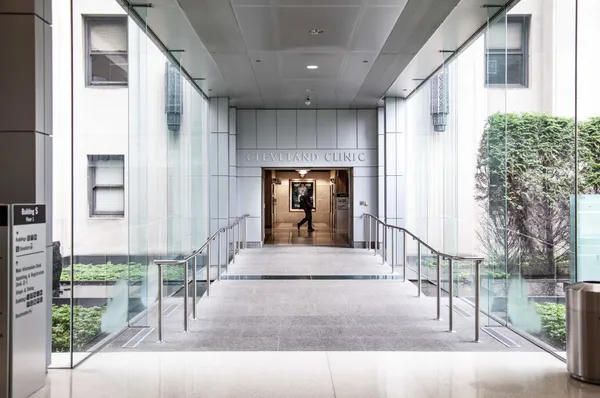
Emergency response at outpatient medical campus
Firefighters responded to a report of a strong odor at the Cleveland Clinic Beachwood Family Health and Surgery Center, prompting an on-site investigation at the outpatient facility in Beachwood. The call centered on concerns that an unidentified smell inside a healthcare building could indicate a hazardous condition requiring immediate assessment, including the possibility of a chemical release, a natural gas issue, or a malfunction involving building systems.
In such incidents, first responders typically prioritize rapid hazard identification and occupant safety. That process often includes a building sweep to pinpoint the odor’s location, interviews with staff to establish when it began and whether anyone reported symptoms, and the use of detection instruments designed to identify common threats such as combustible gases and volatile chemicals.
What a “strong odor” call can indicate
Odor-related calls at large facilities can stem from a wide range of sources. In medical office buildings and surgery centers, potential causes can include maintenance products, cleaning agents, sewer-gas intrusion, refrigerants, or equipment-related issues. While many odors are ultimately traced to non-hazardous sources, emergency protocols generally treat unknown odors as potentially dangerous until testing indicates otherwise.
Combustible-gas concerns: An odor resembling natural gas can trigger checks for leaks because odorants are added to gas supplies to make leaks detectable.
Chemical exposure concerns: Cleaning and disinfecting products can produce strong smells, and accidental mixing of chemicals can create irritants that prompt complaints.
Mechanical or building-system issues: HVAC problems, drain traps, or plumbing venting can circulate odors through large buildings.
How investigations are typically conducted
Fire departments generally follow a structured approach to odor investigations. If initial screening finds elevated readings or if occupants report symptoms such as eye irritation, coughing, or difficulty breathing, responders can expand the response to include specialized hazardous materials resources. If testing is inconclusive, responders may continue to isolate areas, increase ventilation, and coordinate additional technical evaluation with facility engineers or utility providers.
Unknown odors in occupied buildings are treated as potential hazards until measurements, source identification, and scene conditions support a safe determination.
What patients and visitors should know
Healthcare centers are designed to maintain safe indoor environments, but odor complaints can still arise due to the complexity of operations and building systems. When an investigation is underway, patients and visitors can expect safety measures such as restricting access to certain areas, temporary relocations within the building, or pauses in non-urgent activity until the source is identified and conditions are confirmed safe.
At this stage, the key factual issue remains the outcome of the investigation: what caused the odor, whether any hazardous levels were detected, and whether any medical evaluations were necessary for staff or visitors. Cleveland.news will continue monitoring for confirmed findings and any operational updates tied to the Beachwood facility.