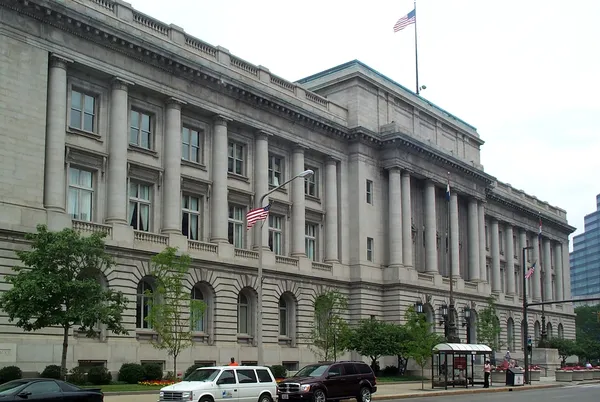
Downtown Cleveland traffic lights go dark Thursday morning, forcing four-way stops and complicating commutes
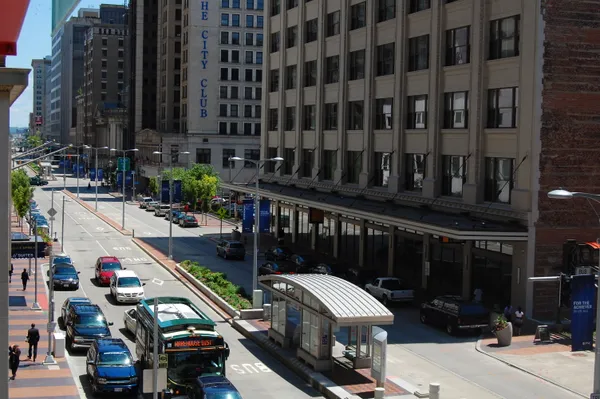
Signal outages reported near key downtown corridors
Several traffic signals in downtown Cleveland were reported out of service Thursday morning, creating delays and requiring drivers to navigate intersections without standard right-of-way indications. The outage was observed in the area of East 9th Street and Superior Avenue, where multiple signals were not functioning during the morning commute.
When traffic signals go dark, intersections can quickly become bottlenecks—particularly in a dense downtown street grid where turning movements, bus traffic, and pedestrian crossings converge. Even brief disruptions can ripple across adjacent blocks as queues lengthen and drivers slow to confirm cross-traffic behavior.
What the law requires when a signal is dark
Ohio law sets specific expectations for motorists approaching an intersection controlled by traffic signals when the signal displays no illuminated indications or otherwise fails to clearly assign right-of-way. Drivers must stop at the marked stop line (or, if none, before the crosswalk or before entering the intersection), yield to traffic that constitutes an immediate hazard, and proceed using ordinary care.
In practical terms, a dark signal should be handled as an all-way stop: stop first, yield appropriately, then proceed cautiously.
Downtown safety risks rise when drivers do not treat outages as stops
In prior downtown incidents involving inoperable signals, traffic conditions have deteriorated rapidly when drivers failed to stop and yield as required. One documented example at East 9th Street and St. Clair Avenue described repeated near-collisions and on-scene enforcement and traffic direction by officers when a signal was left inoperable. In that case, the outage was tied to a feeder-line electrical issue affecting not only traffic indications but also nearby pedestrian signal infrastructure.
Those earlier disruptions underscore a consistent risk pattern during outages: conflicts between through traffic and turning vehicles, plus heightened exposure for pedestrians relying on walk indications that may also be down or inconsistent when power is interrupted.
What commuters can do during outages
- Slow early and assume cross-traffic may not stop promptly.
- Make a complete stop before the crosswalk or intersection, even if other vehicles appear to be flowing through.
- Yield to pedestrians already in the crosswalk and to vehicles already within the intersection.
- Expect longer travel times downtown and consider alternate routes until signals are restored.
What remains unclear
Thursday’s outage was observed around the East 9th Street and Superior Avenue area, but the full extent of affected intersections and the specific cause behind the morning disruption were not immediately confirmed in publicly available citywide detail. Cleveland has experienced multiple signal outages in past years tied to localized electrical faults, including equipment failures that temporarily darkened stretches of downtown intersections before power was restored.
For drivers, the immediate takeaway is operational rather than technical: when signals are out, the legal duty to stop and yield remains in effect, and compliance is central to preventing crashes at busy downtown crossings.
Cuyahoga County judge to sentence Jeffrey and Lanaemarshe Grant in killing of 10-year-old Kaden Coleman
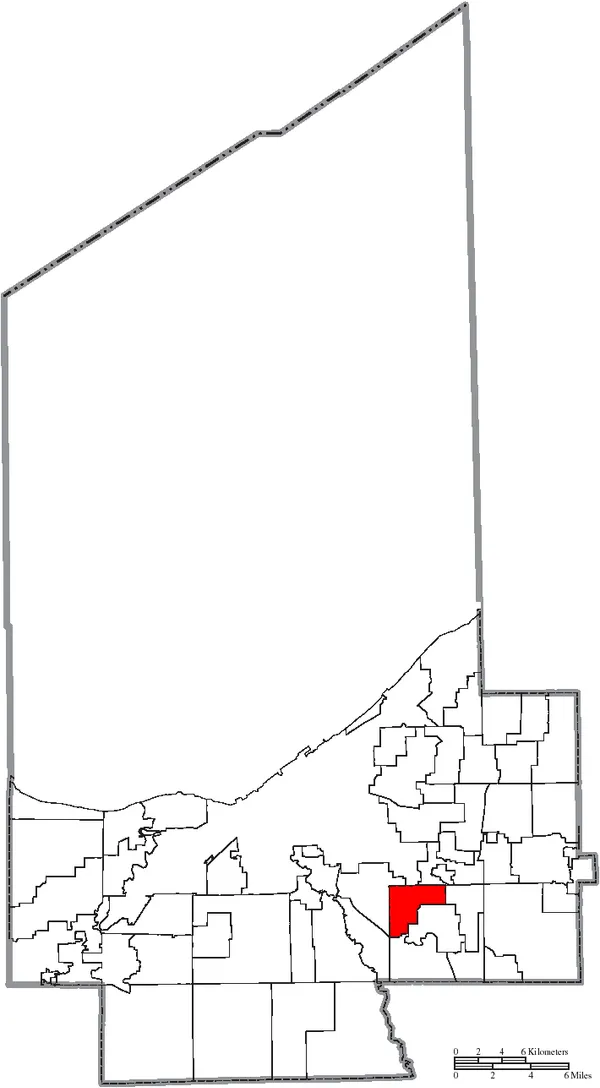
Two people killed in Maple Heights early-morning single-vehicle crash on Broadway Avenue, police investigate cause
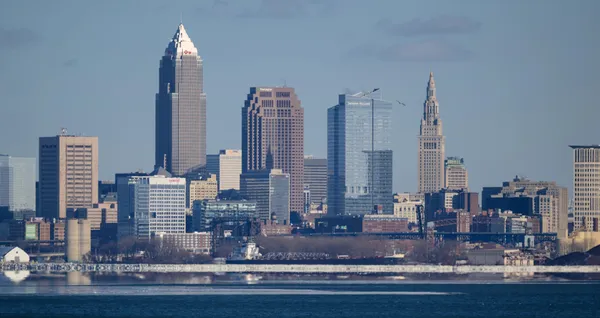
Rain, Runways, and Rounding: The Cleveland Morning Briefing