Downtown Cleveland sinkhole at West 3rd and St. Clair grows, disrupting traffic and transit routes
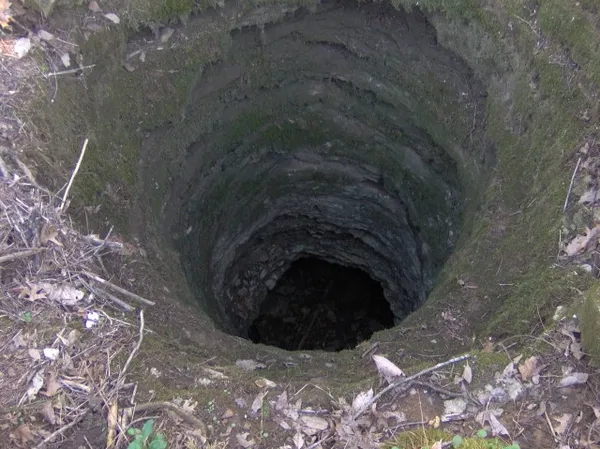
Intersection closed as crews work on an expanding void beneath a key downtown roadway
A sinkhole that opened in downtown Cleveland at the intersection of West 3rd Street and West St. Clair Avenue has continued to widen, prompting an extended closure and reroutes that have complicated commuting and deliveries in the city’s lakefront-adjacent business district.
The hole formed abruptly on Sunday, March 8, 2026, partially trapping a vehicle. No injuries were reported, and the driver was able to leave the scene after the vehicle was pulled free. Police closed the intersection as a safety measure, and work crews began removing compromised pavement and stabilizing the area around the opening.
What is known about the cause and the immediate response
The underlying cause has not been publicly confirmed. The Cleveland water system’s role has been central to the response because the incident affected service in the immediate area and triggered an infrastructure investigation. Water service to impacted customers was restored the same day the sinkhole opened, while the intersection remained closed for repairs and assessment.
City crews have been clearing debris and damaged roadway material from the collapse zone. As the excavation expands, the closure footprint has effectively removed a direct connection between parts of downtown and the near-lakefront street grid, shifting traffic to parallel routes that are already constrained by signals, loading activity and peak commuting patterns.
Transit impacts and downtown mobility
The closure has forced changes to bus operations on routes that normally pass through or near West 3rd and St. Clair. Reroutes have remained in place “until further notice,” a phrase that typically signals that restoration depends on field conditions rather than a fixed calendar.
Drivers entering downtown have been redirected to alternate north–south streets such as West 6th Street and West 9th Street.
East–west movement near St. Clair and Lakeside has been slowed as vehicles concentrate onto fewer open blocks.
Bus riders have faced shifting stop patterns and longer travel times as routes detour around the closure.
Why sinkholes can grow after they appear
In urban corridors, sinkholes are often linked to subsurface voids created when water undermines soil or when aging underground utilities fail. Even after the surface collapses, the cavity can enlarge as loose material sloughs into the void, requiring crews to widen the excavation to reach stable edges and safely access any damaged infrastructure.
The practical result for drivers is that a single-block closure can ripple outward, affecting signal timing, turning movements, transit reliability and freight access for nearby buildings.
What comes next
Repair sequencing typically involves stabilizing the excavation, addressing any damaged underground assets, then rebuilding the roadbed and surface. Even after a utility repair is completed, roadway restoration can take longer due to concrete curing times and the need to ensure the ground beneath the pavement is secure. Officials have not announced a definitive reopening date for the intersection.