DOJ Epstein document dump triggers Cleveland references, including Browns aviation paperwork, Clinic emails and a local school
A massive federal disclosure, and a Cleveland keyword surge
A newly published tranche of federal investigative material tied to Jeffrey Epstein has produced an unusual local datapoint: the word “Cleveland” appears 798 times across the files when searched as a keyword. The references range from routine geographic mentions to institutional names, and in many cases the context is unclear or unrelated to any alleged criminal conduct.
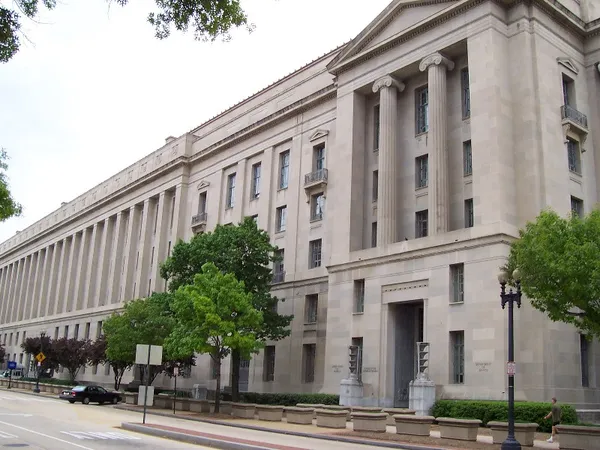
The disclosures stem from a late-January 2026 Justice Department release that made millions of pages, images and videos publicly accessible as part of a statutory transparency mandate. Federal officials have described the production as a broad compilation drawn from court proceedings, investigative records and material submitted to law enforcement, including tips that may be unverified.
What “Cleveland” refers to in the files
Review of the Cleveland-related results shows a mix of items that include Cleveland as a city name, a street name outside Ohio, or a surname. Other references involve Cleveland institutions that appear in documents and emails included in the release. The presence of a term in the archive does not, by itself, establish a connection to wrongdoing.
Cleveland Browns: One notable reference concerns aviation-related paperwork involving “Cleveland Browns Transportation LLC,” tied to tax questions associated with an airplane purchase discussed in a 2006 filing. The document is not framed as an Epstein-specific record, and the Justice Department has not publicly explained why it is included in the broader Epstein files set.
Cleveland Clinic: Multiple mentions involve Cleveland Clinic physicians and email traffic that includes requests for grants or donations, as well as messages in which Epstein discussed or recommended medical care at the Clinic to others. One exchange in the files includes an email describing a planned visit to Cleveland Clinic for medical issues.
Bard High School Early College Cleveland: A cluster of emails references Bard’s early-college high school model in several cities, including Cleveland. The documents include communications between Epstein and Bard College leadership, as well as an image in which individuals wear shirts reading “Bard High School Early College Cleveland.” Cleveland’s public school district has said it is not aware of any substantive link beyond the appearance of the shirts and the email referencing the school name.
Why the archive can include unrelated or ambiguous material
The Justice Department has characterized the public release as a wide collection of “responsive” material, including items submitted to investigators by the public and documents that may contain false or unverified claims. That approach can result in records that reference organizations, locations or individuals without alleging misconduct.
Keyword hits can reflect everything from addresses and news clippings to emails and filings that were gathered during years of investigative activity.
Ongoing concerns about privacy and redactions
The release has also drawn scrutiny over victim privacy. Federal prosecutors have acknowledged that some files were posted with incomplete redactions that could expose identifying information. Officials have said thousands of items were temporarily removed while revised review protocols were implemented and corrected versions prepared for reposting.
As the document set continues to be analyzed, local institutions named in the materials may face questions about what the references mean and whether any interaction documented in the files had relevance to criminal investigations. For now, the Cleveland mentions largely illustrate the breadth—and limits—of what a keyword search can suggest in a sprawling federal archive.