Crews watch Ohio rivers for ice jam flooding risks as thaw raises water and debris threats
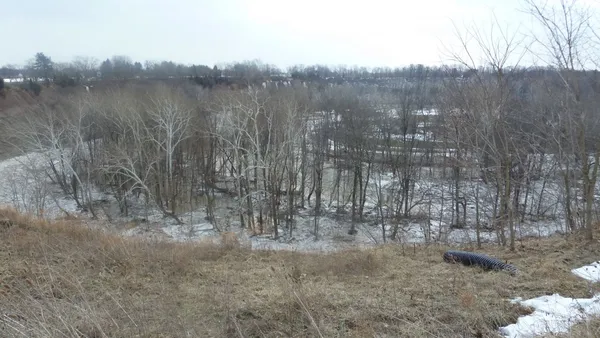
Why river ice is being watched closely
River and emergency-management crews across parts of the Midwest and Great Lakes region are monitoring local waterways for ice jams as winter temperatures fluctuate and snowmelt and rain increase runoff. Ice jams form when broken river ice accumulates at constrictions such as bridge openings, bends, confluences, or near dams, temporarily blocking flow and forcing water levels to rise upstream. When a jam releases suddenly, fast-moving water and large ice pieces can create additional hazards downstream.
Local context: Vermilion River preparations
In northern Ohio, Vermilion officials have been tracking conditions along the Vermilion River as temperatures rise following a freeze that also affected Lake Erie. City public-safety leaders have warned that a fully frozen river and lake can reduce the system’s ability to move ice and water, increasing the chance that ice will stack up and push water into low-lying neighborhoods. Fire officials have identified multiple streets near the river and lagoon areas as locations with elevated flooding risk and have emphasized the need for residents to be ready for rapid changes.
Ice jams can act like a temporary dam, creating fast, localized flooding that may develop away from river gauges and can change quickly.
How agencies monitor and respond
Monitoring typically combines on-the-ground observation, river and lake gauge data, and coordination among local responders and federal weather and waterway agencies. In late January, the U.S. Army Corps of Engineers reported active ice management on the Ohio River system to support navigation and facility operations, including temporary disruptions at a locks-and-dam site affected by ice buildup. While that effort is focused on commerce and safe river operations, the same cold-weather river dynamics can also affect flood risk in ice-prone areas.
What residents can do now
- Enroll in local emergency alert systems that can deliver evacuation or flooding notices by text or email.
- Monitor river conditions and forecasts closely during rapid warmups, especially after prolonged cold.
- Keep vehicles fueled and prepare to move valuables from basements or low elevations if water rises.
- Avoid walking on river ice, particularly near bends, bridge openings, and outlets where ice can thin or shift.
Key signs crews watch for
Indicators of growing risk include rising water levels beneath intact surface ice, cracking and heaving ice fields, and increasing movement of broken ice toward narrow points in the channel. Because ice jams can be highly localized, crews often prioritize known pinch points and areas where infrastructure constricts flow. Officials stress that conditions can change within hours during a thaw, making timely alerts and resident readiness central to reducing property damage and safety risks.