Crash in Cleveland knocks out power after vehicle strikes utility pole, crews work to restore service
What happened
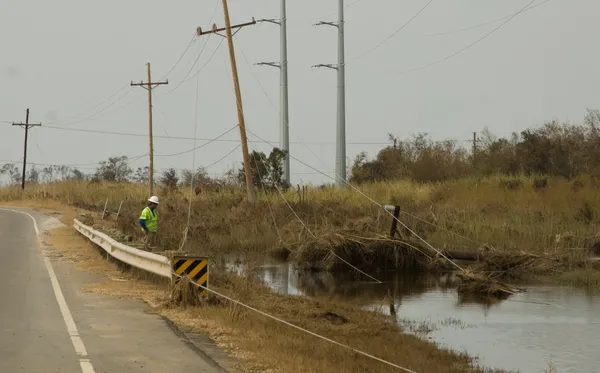
A vehicle crash in Cleveland knocked out electrical service for part of a neighborhood after a car struck a utility pole and brought down lines, prompting a response from police, firefighters and utility crews. The incident added to a recurring pattern across the city in which collisions with poles and overhead lines trigger localized outages and roadway hazards.
In similar recent Cleveland incidents, impacts have snapped poles, pulled down energized lines and, in some cases, damaged transformers. Those conditions can quickly turn a traffic crash into a broader public-safety event, requiring road control, de-energizing of lines and coordinated repairs before power can be restored.
Immediate impacts: power, traffic and safety
When a vehicle hits a pole, outages can occur instantly if conductors are severed or protective devices operate to isolate a fault. Downed lines also create an immediate danger zone for drivers, pedestrians and first responders. In prior Cleveland events, crews have had to de-energize lines before firefighters could safely approach vehicles and surrounding structures.
- Electrical service interruptions for nearby homes and businesses
- Potential roadway closures or lane restrictions while crews work
- Risk of secondary hazards, including arcing, pole fires or vehicle fires
How restorations typically proceed
Restoration work generally begins with scene stabilization and confirmation that lines are safe to handle. Utility crews assess whether damage is limited to wires and hardware or whether a full pole replacement is required. Pole replacement can extend restoration times because it involves excavation, setting a new pole, transferring lines and testing before re-energizing.
In Cleveland crashes involving poles or transformers, utilities have at times needed to de-energize equipment to allow firefighters to suppress vehicle fires or manage other hazards.
Why these outages keep happening
Cleveland’s grid includes many above-ground lines in older neighborhoods and commercial corridors, where roadside poles and low-hanging cables are exposed to vehicle strikes. Recent incidents have involved vehicles colliding with poles during overnight hours as well as commercial vehicles snagging overhead cables on busy streets, leaving wires dangling until crews can secure or replace them.
Each event can vary in severity, but the underlying dynamics are consistent: a collision that damages a support structure or pulls down lines can interrupt service well beyond the crash site, affecting blocks of customers depending on how circuits are configured and whether alternate feeds exist.
What residents can do
- Avoid downed wires and assume they are energized.
- Report outages and hazardous line conditions to the utility and emergency services.
- If a line falls on a vehicle, occupants should remain inside unless there is an immediate life-threatening condition such as fire.
Utility crews typically provide restoration estimates once damage is fully assessed. Investigators may also review whether the crash involved factors such as impairment, speed, mechanical failure, or a stolen vehicle, depending on the circumstances of the incident.