Cleveland sunsets keep getting later in February as daylight climbs toward the March equinox
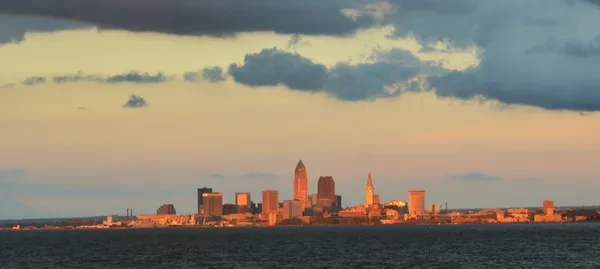
A February shift that adds up quickly
In Cleveland, the sun is setting later each day in February, a seasonal change that steadily lengthens afternoons even as winter conditions persist. The trend is part of the annual climb in daylight that begins after the winter solstice and continues into spring.
On Sunday, Feb. 8, 2026, sunset in Cleveland occurred at about 5:51 p.m., with roughly 10 hours and 21 minutes of daylight. By Friday, Feb. 13, sunset moved to about 5:57 p.m., reflecting a noticeable week-to-week gain in evening light.
Sunday’s milestone: the return of later-evening light
For many residents, the most tangible marker is when sunset pushes later into the evening. This February’s progression brings Cleveland toward a commonly watched benchmark: the first local sunset at 6 p.m. (or later) since early winter.
Current astronomical tables show that Cleveland reaches that 6 p.m. threshold on Monday, Feb. 16, 2026, when sunset is listed at about 6:00 p.m. After that point, sunsets continue to drift later through the remainder of the month.
What changes—and what doesn’t
While sunsets get later, sunrise times do not immediately move earlier at the same pace. In winter, the balance between morning and evening light is influenced by Earth’s axial tilt and the “equation of time,” which reflects how solar time and clock time vary across the year. The result is a period when evening daylight improves even as mornings remain relatively dark.
Across February 2026, Cleveland gains more than an hour of daylight in total. By the end of the month, sunset is projected to be around 6:15 p.m. on Saturday, Feb. 28, with sunrise earlier than at the start of the month and total day length continuing to expand.
Key dates ahead for Northeast Ohio
Feb. 8, 2026: Sunset around 5:51 p.m.; day length about 10 hours 21 minutes.
Feb. 16, 2026: First sunset around 6:00 p.m. this month.
Feb. 28, 2026: Sunset around 6:15 p.m.
March 20, 2026: The March equinox, when daylight and nighttime approach parity.
Seasonal daylight changes are predictable: the daily sunset time inches later through late winter as the region approaches the March equinox.
What residents may notice day to day
Later sunsets can alter the rhythm of the workday, school dismissal, and evening commutes, with more daylight lingering into late afternoon. The shift is gradual from one day to the next, but it becomes clearer over the course of a week—especially in February, when day length increases quickly compared with midwinter.