Cleveland Municipal Court operates on a limited schedule after cybersecurity incident disrupted in-person proceedings and online systems
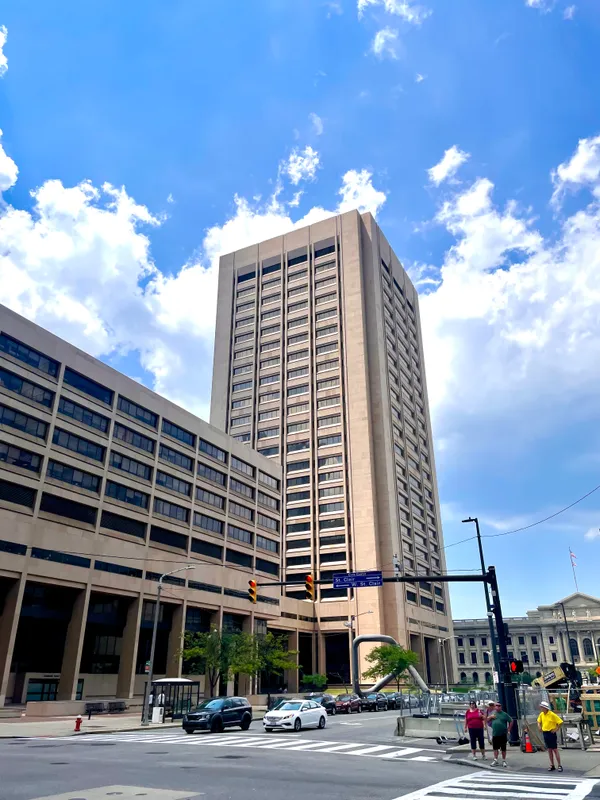
Limited operations following system shutdown
Cleveland Municipal Court has operated on a limited schedule after a cybersecurity incident led court administrators to take internal systems offline and suspend most normal public-facing operations. During the disruption, court activity was largely restricted to essential functions, with the jail docket continuing while other proceedings were postponed.
The incident was first disclosed after administrators reported unusual activity affecting court operations. In response, the court shut down internal systems and software platforms as a precaution while assessing the scope of the problem and working to restore services securely. Officials did not publicly confirm the precise nature of the incident at the time of the shutdown, and the investigation was described as ongoing during the closure period.
What remained open, and what was paused
Throughout the limited-schedule period, the court maintained proceedings tied to custody and initial appearances for defendants held in jail. Other court operations—including many criminal and civil hearings and routine clerk services—were suspended as the court worked to regain operational capacity.
- Proceedings for people held in jail continued through the jail docket.
- Most other criminal and civil hearings were postponed during the shutdown period.
- Internal court platforms were kept offline while restoration work proceeded.
Reopening timeline and rescheduling
After weeks of disruption, Cleveland Municipal Court announced it would reopen to the public on Wednesday, March 12, 2025, with scheduled General Division cases for that day set to proceed. Hearings that had been scheduled between February 24 and March 11, 2025 were to be rescheduled, with new dates set no less than 30 days after reopening. The court indicated that notices would be sent to affected parties through the clerk’s office.
During the shutdown, administrators said systems would remain offline until there was a clearer understanding of the situation, and that restoration work was focused on returning services safely.
Practical impact for residents and litigants
The limited schedule affected people with pending landlord-tenant matters, traffic and misdemeanor cases, civil disputes, and other filings typically handled in municipal court. With most dockets paused, residents were left waiting for new hearing dates and for restoration of routine court functions.
Court officials have not publicly detailed whether sensitive data was accessed, whether the incident involved ransomware, or what specific systems were compromised. The court’s public statements during the closure centered on maintaining essential operations, preserving system integrity, and restoring services as securely as possible.