Cleveland mayor’s office renovation costs draw scrutiny as City Hall upgrades expand beyond basic maintenance work
Renovation work in the mayor’s suite became a flashpoint in broader City Hall modernization
Cleveland’s mayoral office has undergone a renovation project that city records and public statements tie to both long-deferred updates and repairs after significant water damage. The work has drawn attention because it occurred alongside a wider set of City Hall capital improvements and as City leaders face continuing pressure to document how public dollars are spent inside the landmark building.
The total cost associated with the mayor’s office makeover was listed at $329,874. City officials said the scope included addressing damage tied to a burst pipe that caused extensive water issues in the mayor’s offices near the end of 2022. The same explanation emphasized that the mayor’s suite had not been renovated in decades and framed the work as part of a larger effort to modernize City Hall operations and spaces used for public business.
What the project included and why it matters
Publicly described elements of the project included changes affecting the Red Room, a prominent City Hall space used for meetings and press conferences, and furnishings such as replacement chairs. While furniture purchases can be comparatively small in the context of major capital projects, they are also among the most visible line items to residents because they are easy to understand and readily compared to household spending.
The renovation’s timing has also mattered. City Hall, which opened in 1916, has faced mounting maintenance needs consistent with a century-old civic structure, and Cleveland has been pursuing substantial building work intended to protect the facility’s long-term condition.
How the mayor’s office work fits into the broader City Hall construction picture
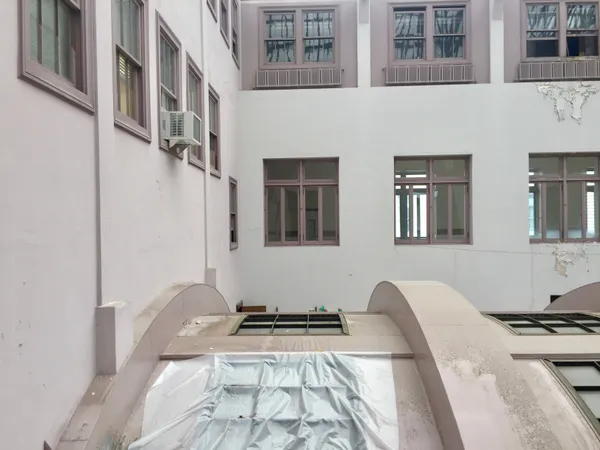
Separate from the mayor’s office renovation, Cleveland has described nearly $20 million in City Hall renovations aimed at structural integrity and core building systems. That larger work has included a roof replacement priced at $10.3 million, along with new skylights and a rebuilt roof drainage system, with the city indicating the roof project spanned more than two years of construction and was expected to near completion in late 2025.
Taken together, the figures underscore how Cleveland’s City Hall spending spans two categories that often compete for attention in public debate: high-cost infrastructure work that is largely invisible day-to-day, and smaller, more tangible renovations inside public-facing offices and meeting rooms.
Key takeaways for residents and oversight
The mayor’s office renovation was priced at $329,874 and was publicly linked to repairs following extensive water damage from a late-2022 pipe burst, as well as long-delayed modernization.
Cleveland has simultaneously pursued much larger City Hall upgrades, including a roof replacement budgeted at $10.3 million within a nearly $20 million package of building renovations.
As multiple projects move forward in and around City Hall, the most consequential oversight questions tend to center on scope definition, procurement choices, and whether project documentation clearly distinguishes emergency repairs from discretionary upgrades.
City Hall construction costs typically reflect a mix of urgent building preservation and renovations to public workspaces—two needs that can be difficult to separate without detailed project breakdowns.
City officials have continued to describe City Hall work as necessary for long-term functionality and safe operations, while the visibility of mayoral-office improvements has heightened calls for clear, itemized explanations of what was repaired, what was replaced, and why each expense was deemed necessary.