Cleveland Heights secures 650 tons of road salt as regional shortages tighten winter road treatment plans
A mid-winter resupply amid constrained inventories
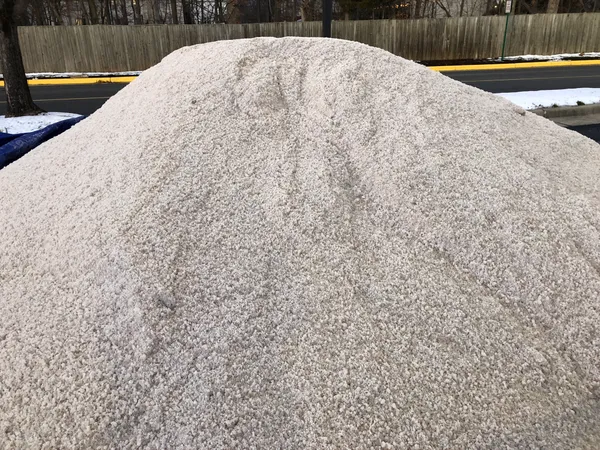
Cleveland Heights has secured an additional 650 tons of road salt after officials described the city’s remaining stock as critically low, a move intended to stabilize winter road treatment as inventories across Northeast Ohio tighten.
The resupply comes during a period when multiple communities have reported unusually limited salt on hand, prompting adjustments in how streets are treated during snow and ice events. In nearby University Heights, municipal crews have described operating with a reduced salt reserve and shifting to a more targeted approach that prioritizes main routes, intersections and hills.
How the shortage is affecting day-to-day street operations
As salt availability narrows, public works departments typically reduce application rates and focus on higher-traffic corridors first. That can mean residential side streets receive less frequent treatment or are addressed later, particularly during back-to-back storms or prolonged cold spells when material is consumed quickly.
In recent weeks, some communities in the region have also relied on mutual aid to bridge short gaps in supply. Cleveland Heights has both lent salt to a neighboring city and, separately, borrowed material from another community to cover short-term needs, reflecting the kind of inter-city borrowing that can occur when deliveries are delayed or allocations are limited.
Why salt can be scarce even in a salt-producing region
Northeast Ohio sits near major salt production and distribution infrastructure, including mines beneath Lake Erie. Even so, municipal road salt is part of a broader, competitive supply chain. Demand can surge quickly when winter conditions intensify after lighter seasons, and simultaneous storms across multiple states can strain mining output, trucking availability and delivery schedules.
Local officials and industry representatives have pointed to a mix of factors that can contribute to disruptions, including high regional demand, transportation bottlenecks, labor constraints and operational issues that can slow production or movement of material.
What residents should expect when salt supplies tighten
Primary streets, school and transit corridors, steep grades and intersections are typically treated first.
Residential streets may see delayed treatment, particularly during consecutive snow events.
Crews may use “sensible salting,” applying less material per pass to stretch limited stock.
When inventories drop, cities often move from blanket coverage to a priority-based approach focused on safety-critical routes.
Next steps: monitoring supply and storm frequency
The 650-ton purchase strengthens Cleveland Heights’ immediate capacity to respond to winter weather, but salt consumption is heavily driven by the pace of storms and temperature swings. With winter conditions still ongoing, the city’s ability to maintain service levels will depend on both incoming deliveries and how quickly existing supplies are used during future events.