Cleveland fire officials warn residents to avoid downed wires after high winds move through region
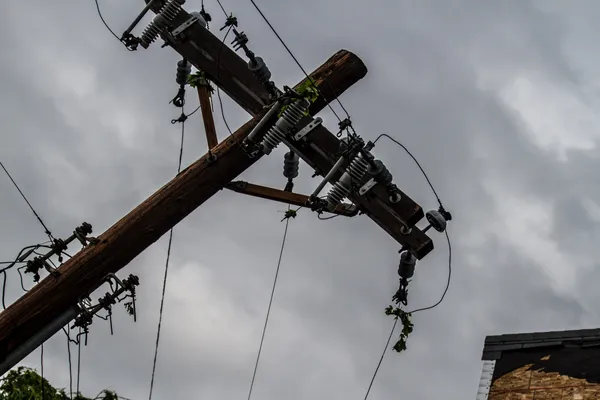
Safety warning follows windy weather and scattered damage reports
Cleveland fire officials urged residents to treat any downed wire as energized and dangerous after a period of strong winds moved through Northeast Ohio, a scenario that frequently produces hidden electrical hazards even after skies clear. The warning comes as utilities and public safety agencies across the region continue to respond to weather-related damage that can include fallen trees, broken poles and tangled service lines.
Wind-driven outages and damage are not limited to the moment the strongest gusts occur. Wires can be brought down by delayed tree failures, compromised poles, or cleanup activity, and they may remain energized even when a nearby neighborhood appears to have lost power. Fire officials emphasized that residents should keep a wide distance, prevent children and pets from approaching, and avoid attempting to move debris that may be in contact with a line.
What residents should do if they see a downed line
- Do not touch the wire or anything touching it, including branches, fences, puddles, or metal objects.
- Keep people and animals away and restrict access if possible until responders arrive.
- Call 911 to report the hazard and provide a precise location.
- If a line falls on a vehicle, stay inside unless fire or another life-threatening danger forces evacuation; responders can advise on safe steps.
Why the danger can persist after the wind
Downed distribution lines can energize nearby objects and ground surfaces, creating shock risks that are not obvious to bystanders. In addition, some lines may be fed by multiple circuits, backfeed from generators, or re-energization during restoration work. That means a line can appear inactive and then become live again as crews switch equipment or restore service.
The National Weather Service office that covers the Cleveland area issued wind-related advisories in recent days and routinely asks the public to report downed trees and power lines during these events. Separately, state regulators have been reviewing electric reliability and restoration performance in Ohio following large outages tied to severe weather and infrastructure vulnerability, underscoring the operational challenges utilities face during high-wind events.
Cleanup: proceed carefully
Officials stressed that personal storm cleanup should not begin until residents are confident no electrical hazards are present in the work area.
Residents are advised to use extra caution around alleys, wooded lots, and areas with older trees where wind damage may be harder to spot. If power is out, use flashlights instead of candles, operate generators outdoors away from windows, and prioritize medical needs that depend on electricity by contacting providers or emergency services as needed.
City officials said the key message is simple: if a wire is down, assume it is live, keep away, and report it so trained crews can secure the scene and make repairs.