Cleveland Clinic’s proposed Level I trauma center prompts MetroHealth warnings and regional capacity questions by 2028
A new bid for top-tier trauma designation sets up a rare public dispute
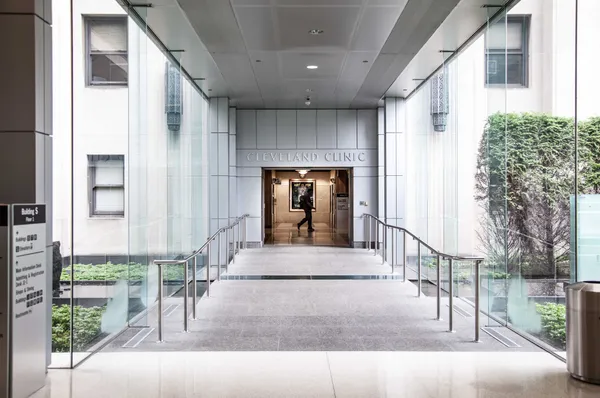
Cleveland Clinic is pursuing the creation of a Level I trauma center for both adults and children at its Main Campus, outlining a target opening year of 2028. The plan would add another highest-level trauma option in Greater Cleveland, a region where MetroHealth operates a Level I adult trauma center and University Hospitals maintains Level I pediatric trauma capability through Rainbow Babies & Children’s Hospital.
MetroHealth leadership has publicly urged the Clinic to reconsider, arguing the area’s existing trauma network could be destabilized by adding another Level I program. The disagreement has moved beyond routine health-system competition into a broader debate about how many high-acuity trauma centers the region can sustain while maintaining staffing, quality standards and coordinated emergency medical services routing.
What Cleveland Clinic says it is building
The Clinic has said its Main Campus lacks Level I trauma coverage despite the system’s breadth of specialized care, and that a new center would treat adults and children with critical injuries. The health system has also described an intention to reduce transfers of severely injured patients outside its own hospitals and to provide continuity of care for patients already receiving complex treatment within the Clinic network.
As described by the Clinic, the path to Level I status includes an American College of Surgeons consultation process during 2026, potential expansion of emergency department capacity, and recruitment and training plans to meet around-the-clock trauma readiness requirements.
MetroHealth’s objection: systemwide impacts, not only a single campus
MetroHealth has characterized the proposal as unnecessary for the region and warned it could raise costs and risk harming patient outcomes by dispersing trauma volume across more centers. MetroHealth has pointed to the role of experience and volume in maintaining performance in high-acuity trauma care and has signaled it will prioritize opposing the plan during 2026.
MetroHealth is a long-standing Level I adult trauma provider in Cleveland and also maintains pediatric trauma capability at the Level II tier. In 2025, the system centralized trauma services at its main campus, moving Level III trauma activity from its Parma Medical Center to the central Level I site while keeping the Parma emergency department operating 24/7.
Where University Hospitals fits in
University Hospitals has not taken a public stance in the dispute. UH Rainbow Babies & Children’s Hospital has been continuously verified as a Level I pediatric trauma center since 1991 and describes itself as the only Level I pediatric trauma center in Cleveland. UH also states that its adult and pediatric trauma centers are co-located on its main Cleveland campus complex.
Key issues likely to shape the next steps
Verification and readiness: Level I programs require 24/7 specialty availability, rigorous performance improvement programs, and research and prevention commitments.
Workforce constraints: Staffing trauma surgery, anesthesia, nursing, and subspecialty coverage around the clock can be a limiting factor even for large systems.
Regional coordination: EMS routing, inter-hospital transfer patterns, and patient volume distribution can shift when a new top-tier center enters a market.
With consultation and verification steps anticipated in 2026 and an opening target of 2028, the region’s trauma landscape could face its most significant restructuring in decades.