Cleveland Clinic outlines frostbite and heart attack dangers as bitter cold drives wind chill risks upward
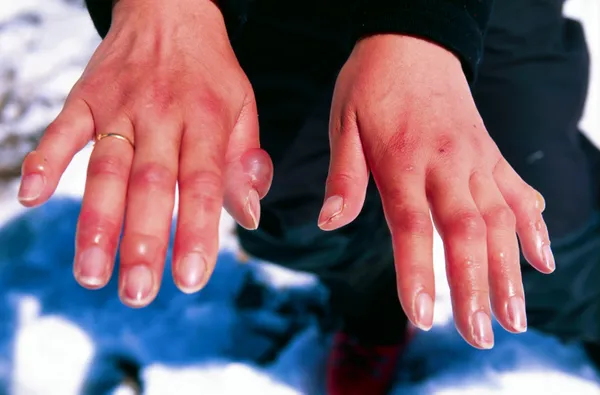
Bitter cold combines two hazards: freezing skin and straining the heart
Bitter cold conditions can create a double threat for Northeast Ohio residents: cold-related injury such as frostbite and hypothermia, and a surge in cardiovascular stress during winter chores like snow shoveling. Cleveland Clinic physicians have emphasized that the combination of cold exposure, bulky clothing and sudden physical exertion can increase the risk of a heart attack in some people, particularly those who are not accustomed to regular exercise.
Cold also changes how the body responds to outdoor activity. Wind accelerates heat loss from exposed skin, lowering skin temperature faster than air temperature alone. Federal weather guidance on wind chill indicates that, as wind increases, the “feels like” temperature drops and exposed skin can freeze more quickly—sometimes within 30 minutes under common winter scenarios.
Frostbite risk rises when wind chill drops
Frostbite occurs when the body reduces circulation to extremities to protect core organs, leaving fingers, toes, ears and the nose especially vulnerable. Early warning signs can include numbness, tingling and skin that becomes pale, hard or waxy. Because frostbite can progress quickly, especially in wind, limiting time outdoors and covering exposed skin are central prevention steps.
- Dress in layers that help retain heat while limiting sweat buildup.
- Cover hands, feet, ears and face; protect skin from direct wind.
- Change out of wet clothing promptly after coming indoors.
Why snow shoveling can trigger cardiac emergencies
Cleveland Clinic has warned that shoveling snow can place significant stress on the heart. The body expends extra energy to stay warm, and the added effort of lifting and throwing snow—often done suddenly by people who may be less active in winter—can push the cardiovascular system hard.
Snow shoveling is not only a back-and-fall hazard; in the right conditions it can become a heart hazard, especially when people push past warning symptoms.
Medical guidance highlights the need to stop immediately and seek emergency help for symptoms that can signal a heart attack, including chest discomfort or pressure, shortness of breath, lightheadedness, nausea, cold sweats, or pain in areas such as the arms, back, neck or jaw.
Practical steps to reduce risk during extreme cold
- Start slowly and work in short intervals rather than clearing an entire area without breaks.
- Pay close attention to breathing, chest sensations and dizziness; take symptoms seriously.
- Prioritize traction and stability to prevent slips and falls; winter footwear and add-on grips can reduce injury risk.
- Consider alternatives to strenuous manual shoveling when possible, especially for people with known cardiovascular risk factors.
As cold spells persist, the overarching message from clinicians and public safety guidance is consistent: reduce exposure time, cover skin, pace physical activity and treat new or worsening symptoms as a potential emergency.