Cleveland City Council moves to shape Burke Airport closure debate after Browns settlement backlash
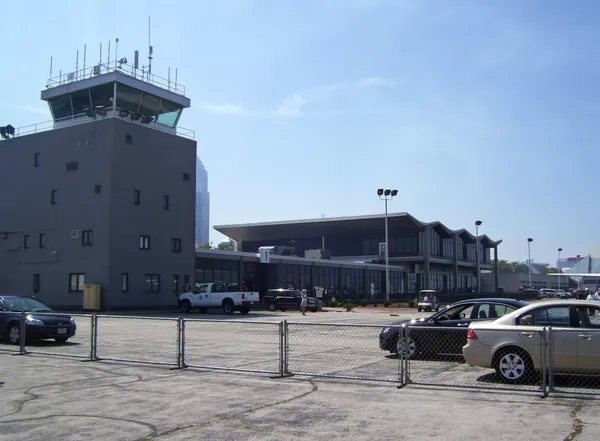
City Hall opens a formal review of a proposal to decommission Burke Lakefront Airport
Cleveland City Council is moving to assert an earlier and more structured role in any decision to close Burke Lakefront Airport, a 450-acre lakefront site whose future has become intertwined with the city’s broader redevelopment agenda and the political fallout from the city’s recent Browns-related settlement.
The Transportation and Mobility Committee, chaired by Councilman Charles Slife, has scheduled a multi-month series of public hearings intended to test whether airport closure is legally feasible, financially workable and logistically realistic. The first hearing is set for Wednesday, January 21, 2026, at Cleveland City Hall, with additional sessions planned into mid-April.
Why Council is pressing for an “early say”
The council-led review reflects a push for tighter oversight after council members and constituents raised concerns that major negotiations affecting public assets can advance quickly, leaving lawmakers reacting rather than shaping outcomes. In the Burke debate, council retains a central role because any final decision to close the city-owned airport requires action by a majority of council members, alongside federal approvals tied to aviation regulations and past grant agreements.
Mayor Justin Bibb has renewed calls to shut down Burke and repurpose the site for future lakefront development, including potential housing, parks and mixed-use projects. The administration and county leadership have also sought federal cooperation to relieve Cleveland of obligations connected to prior airport funding—an issue that airport supporters say could keep Burke operating into the late 2030s.
What the hearings will examine
Council’s hearing plan is structured around four themes designed to separate vision from implementation details:
January 21: Expenses and obstacles to development, including legal constraints on lakefront property transactions, buildability issues on filled land, and major infrastructure needs such as sewer and power capacity.
February 4: Budget implications for city services, including whether shifting the site away from airport operations could increase pressure on the city’s General Fund.
April 1: The regulatory path to closure, including federal requirements, potential grant repayment exposure, and risks of litigation if closure efforts are accelerated.
April 15: Market absorption, focusing on whether the region’s real estate demand can support redevelopment at the scale of the Burke site.
Aviation and public-safety arguments collide with redevelopment goals
Opponents of closure argue Burke functions as a specialized reliever airport and supports medical transport, public-safety operations and business aviation. Aviation advocates have also pointed to the airport’s role in major civic events such as the Cleveland National Air Show and warn that shifting flights to other airports could be constrained by capacity and operational limits.
The council hearings are expected to feature testimony on the airport’s current use, the real costs of decommissioning an airfield, and the time horizon for any redevelopment—issues that could determine whether Cleveland’s lakefront vision advances through a multi-year transition or stalls in regulatory and budgetary disputes.
The Transportation and Mobility Committee hearings will be held at Cleveland City Hall and are scheduled to be open to the public and broadcast.