Burke Lakefront Airport study presents two redevelopment concepts for housing, parks and downtown economic growth
A long-contested lakefront site moves into a new planning phase
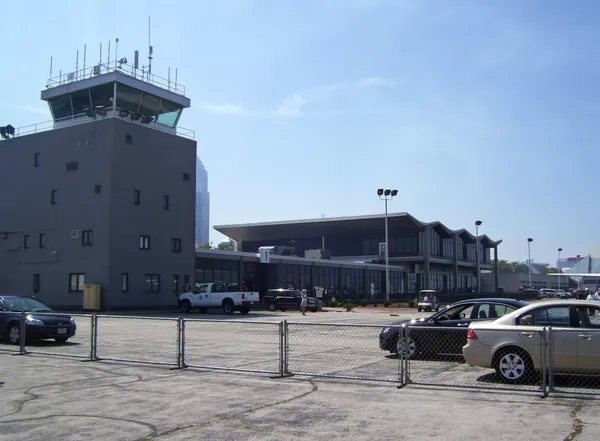
Cleveland’s Burke Lakefront Airport, a city-owned airfield on a prominent stretch of Lake Erie shoreline immediately east of downtown, is again at the center of a policy debate that combines land use, transportation planning, and municipal finance. A city-commissioned analysis of the airport’s future outlines two main redevelopment concepts intended to expand public access to the waterfront while changing how the 245-acre airport footprint contributes to Cleveland’s economy.
The planning work arrives as city officials continue to evaluate whether to seek closure of Burke and re-purpose the land, a process that would require navigating federal aviation rules and the financial terms attached to prior airport grants and agreements.
What the two concepts generally propose
While the concepts differ in intensity and timing, both are framed around reshaping a large, centrally located site that has limited public access today. The study’s redevelopment concepts align with widely discussed program elements for the property: significant new open space along the lake, a mix of residential and commercial uses, and additions aimed at creating a year-round destination rather than a single-use district.
- Lower-intensity concept: A plan built around major public space—such as parks and recreation fields—paired with limited development. The aim is to create immediate lakefront access and amenities while reducing near-term construction complexity.
- Higher-intensity concept: A more development-forward approach that adds a larger mix of private investment components, including housing, retail activity and a hotel component, alongside public waterfront space. This concept is designed to generate a larger ongoing tax base and employment activity tied to new uses on the site.
Economic projections and key caveats
The city’s economic and fiscal analysis estimates that redevelopment could increase annual direct economic activity compared with the current airport-related footprint, depending on how much development is feasible and how quickly it occurs. In the most intensive scenario analyzed, the study estimates a combined effect of roughly $92 million in annual direct economic impact and about 406 full-time-equivalent jobs when including activity expected to remain in the region after a closure and relocation of flights.
However, the same analysis also emphasizes constraints that could materially affect outcomes, including the costs and complexity of preparing the site for new buildings and infrastructure. The fiscal estimates do not fully account for potentially significant one-time expenses associated with closure, such as reimbursements, lease changes, demolition, and possible environmental and subsurface challenges.
What happens next: decisions, timelines, and public oversight
Cleveland City Council has opened a formal inquiry into the feasibility of closing Burke, with hearings structured to examine legal requirements, budget exposure, infrastructure needs, and market realism for any large-scale lakefront district. Separately, the lakefront planning effort continues to collect community feedback on future land uses.
The next steps are expected to focus on narrowing a preferred concept, clarifying closure requirements and costs, and determining whether the development timetable can be aligned with infrastructure investments needed to connect the lakefront more directly to downtown streets, transit, and existing attractions.
For residents, the core question remains unchanged but newly quantified: whether the economic and civic benefits of converting an airport into a mixed-use waterfront district can outweigh the costs, time, and regulatory hurdles required to make that transformation real.